
How NeuroStar Therapy May Reduce Emotional Reactivity and Improve Stability
Emotional reactivity can feel like living with the volume turned too high. Small stressors trigger intense reactions. Mood shifts arrive quickly and feel hard to control. Many people describe feeling overwhelmed by emotions that do not match the situation in front of them. This pattern often appears alongside depression, anxiety, and treatment-resistant mood disorders. NeuroStar TMS therapy offers a different approach for people who want steadier emotional responses and better day-to-day balance.
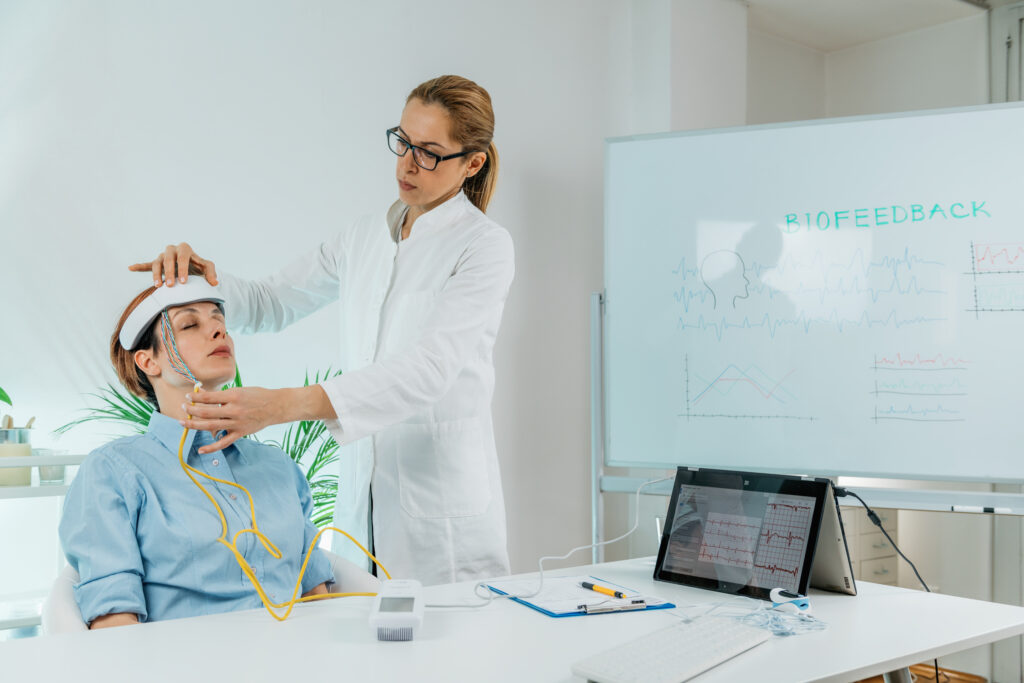
At Prime Behavioral Health, NeuroStar therapy supports patients in Southlake, TX and surrounding areas who struggle with emotional ups and downs that interfere with work, relationships, and confidence. This therapy focuses on brain activity linked to mood regulation rather than masking symptoms.
Understanding Emotional Reactivity and Why It Happens
Emotional reactivity refers to how strongly and how quickly emotions rise in response to stress, conflict, or disappointment. For some people, the emotional system reacts faster than the thinking system. This can lead to irritability, tearfulness, anger, or shutdowns that feel automatic.
Several factors contribute to this pattern. Chronic stress can overstimulate brain circuits involved in threat detection. Depression and anxiety can weaken the brain’s ability to regulate emotional signals. Past trauma may keep the nervous system on high alert. Over time, these patterns create instability that feels exhausting and unpredictable.
Medication and therapy help many people, yet emotional reactivity can remain even when other symptoms improve. NeuroStar therapy addresses the brain networks involved in emotional control directly.
What NeuroStar Therapy Is and How It Works
NeuroStar therapy uses transcranial magnetic stimulation to activate specific areas of the brain involved in mood regulation. The treatment targets the left prefrontal cortex, an area linked to emotional balance, decision making, and impulse control.
During a session, a magnetic coil delivers gentle pulses to stimulate underactive brain cells. These pulses do not cause sedation or memory loss. Patients remain awake and can return to daily activities after each visit.
Over time, repeated stimulation encourages healthier communication between brain regions. This process supports emotional steadiness rather than emotional suppression. Patients often describe feeling calmer, more grounded, and less reactive as treatment progresses.
How NeuroStar Therapy Supports Emotional Regulation
Emotional regulation relies on a balance between emotional centers and cognitive control centers in the brain. When that balance shifts, emotions can override logic. NeuroStar therapy helps restore that balance.
Patients often notice improved pause before reaction. Situations that once triggered immediate frustration or sadness feel easier to manage. Emotional responses still occur, yet they feel proportional and controllable.
This shift does not remove emotion. It restores flexibility. People can feel disappointment without spiraling or stress without shutdown. That flexibility supports better relationships and clearer thinking.
NeuroStar Therapy and Mood Stability
Mood stability refers to consistency over time rather than constant happiness. Many patients seek stability after years of mood swings, irritability, or emotional crashes.
NeuroStar therapy supports stability by strengthening brain circuits that regulate mood signals. As these circuits become more responsive, mood fluctuations soften. Days feel more predictable. Energy levels stabilize. Emotional recovery happens faster after stress.
Patients at Prime Behavioral Health often report fewer emotional extremes. They feel less reactive at work and more patient with family. Stability creates room for healthier routines and long-term growth.
Emotional Reactivity in Depression and Anxiety
Depression often includes emotional numbness mixed with sudden waves of sadness or frustration. Anxiety often fuels constant alertness and quick emotional escalation. These conditions overlap with emotional reactivity more than many people realize.
NeuroStar therapy addresses the shared brain patterns underlying both conditions. By improving communication in mood regulation centers, patients experience calmer emotional baselines. Anxiety responses slow down. Depressive irritability eases.
This effect supports both emotional control and mental clarity. Patients feel more capable of managing daily stress without emotional overload.
How NeuroStar Therapy Fits with Other Treatments
NeuroStar therapy works well alongside therapy, medication management, and lifestyle changes. Many patients continue psychotherapy during treatment. Improved emotional stability often makes therapy more effective.
Some patients reduce reliance on long-term medications with guidance from their psychiatrist. Others maintain current medication plans while benefiting from added stability.
Prime Behavioral Health builds personalized care plans that combine NeuroStar therapy with supportive psychiatric follow-ups. This approach helps patients maintain progress long after treatment ends.
What Patients Often Notice During Treatment
Every patient responds differently, yet many report similar changes. Emotional reactions feel less intense. Stressful moments pass more quickly. Small frustrations no longer derail the day.
Sleep often improves as emotional calm increases. Focus and motivation become steadier. Confidence grows as patients regain trust in their emotional responses. These changes usually build gradually. NeuroStar therapy emphasizes progress over time rather than instant shifts.
Challenges Patients Face Before NeuroStar Therapy
Many people in Southlake and surrounding areas seek NeuroStar therapy after facing these challenges:
- Sudden mood swings without clear triggers
- Irritability that affects work or relationships
- Emotional shutdown after minor stress
- Difficulty calming down once upset
- Feeling out of control emotionally despite effort
NeuroStar therapy offers a path toward steadier emotional ground without numbing feelings.
Who May Benefit Most from NeuroStar Therapy
NeuroStar therapy supports adults with depression, anxiety, and emotional instability that has not improved with standard treatments. It helps those who feel emotionally overwhelmed or reactive despite therapy and medication.
A psychiatric evaluation determines whether NeuroStar therapy fits a patient’s needs. At Prime Behavioral Health, licensed providers guide patients through this process with clarity and care.
Long-Term Emotional Benefits
Emotional stability supports long-term mental wellness. Patients who experience improved regulation often maintain progress beyond treatment. They develop healthier stress responses and stronger emotional resilience.
NeuroStar therapy does not replace personal growth or coping skills. It supports the brain’s ability to use those skills effectively. This foundation allows patients to build lasting emotional health.
FAQs
How does NeuroStar therapy help emotional reactivity?
NeuroStar therapy stimulates brain areas responsible for emotional regulation, helping reduce the intensity and speed of emotional reactions.
Does NeuroStar therapy change personality or emotions?
No. The therapy supports balance and control while preserving natural emotional expression.
How long does it take to notice emotional improvements?
Some patients notice changes within a few weeks, while others see gradual improvement across the full treatment course.
Can NeuroStar therapy help with anger or irritability?
Yes. Many patients report reduced irritability and better emotional control during daily stress.
Is NeuroStar therapy used with other psychiatric care?
Yes. It often complements therapy and medication management as part of a complete care plan.
Call 817-778-8884 to schedule a NeuroStar therapy consultation at Prime Behavioral Health and regain emotional balance with expert psychiatric care.