
How NeuroStar Advanced Therapy May Support Recovery Without Cognitive Side Effects
Many people living with depression reach a point where they want relief without sacrificing mental clarity. Medications help millions, yet some individuals notice foggy thinking, memory trouble, or slowed focus along the way. These cognitive concerns often lead people to pause, switch treatments, or stop altogether. NeuroStar Advanced Therapy has changed that conversation by offering a non-drug option designed to support recovery while preserving clear thinking. At Prime Behavioral Health, patients across Southlake, TX and nearby communities ask one key question: can depression treatment work without dulling the mind? NeuroStar gives many people a hopeful answer.
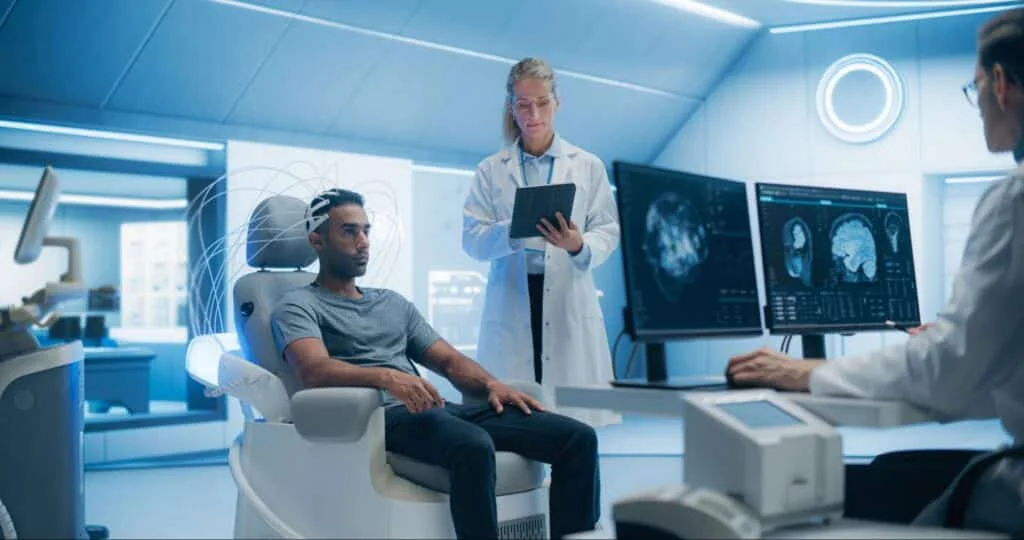
This article explains how NeuroStar Advanced Therapy works, why cognitive side effects matter so much, and how this treatment fits into modern mental health care.
Why Cognitive Clarity Matters During Depression Recovery
Depression already places strain on concentration, memory, and decision-making. People often describe trouble focusing at work, keeping up with conversations, or remembering simple tasks. Treatment should ease those struggles, not add to them. Cognitive side effects sometimes linked to medication can make daily life harder, even as mood improves.
Clear thinking supports confidence, productivity, and independence. Students need focus for learning. Professionals rely on sharp attention and problem-solving. Parents juggle schedules, emotions, and responsibilities. Mental health care works best when it supports emotional balance and cognitive function together. NeuroStar Advanced Therapy aims to address mood symptoms without interfering with how the brain processes information.
How NeuroStar Advanced Therapy Works in Simple Terms
NeuroStar Advanced Therapy uses transcranial magnetic stimulation, often called TMS. The system delivers focused magnetic pulses to specific areas of the brain linked to mood regulation. These pulses encourage healthier brain activity patterns over time.
Sessions take place in an outpatient setting. Patients remain awake and alert. No anesthesia or sedation takes place. After each session, people return to daily routines, including work or school. This approach matters to those who want treatment that fits into real life rather than disrupting it.
Because NeuroStar does not involve systemic medication, it avoids many body-wide effects that sometimes influence cognition. Treatment targets the brain area involved in depression without circulating chemicals throughout the body.
Understanding Cognitive Side Effects in Traditional Treatments
Cognitive side effects often appear in subtle ways. Some people notice slower thinking, trouble recalling words, or difficulty staying engaged in conversations. Others describe feeling mentally flat or disconnected. These experiences vary from person to person, yet they matter deeply.
Medication affects brain chemistry broadly. While many people tolerate medications well, others feel unwanted mental changes. Adjusting doses or switching prescriptions may help, yet the process takes time and patience. Some individuals prefer an option that avoids these trade-offs altogether. NeuroStar offers an alternative path that focuses on brain stimulation rather than chemical alteration.
What Research and Clinical Experience Show About NeuroStar and Cognition
Clinical studies and real-world experience suggest that NeuroStar Advanced Therapy does not impair memory, attention, or executive function. Many patients report feeling mentally clearer as mood symptoms lift. Improved sleep, reduced emotional heaviness, and restored motivation often support better thinking naturally.
Depression itself affects cognitive performance. As symptoms improve, concentration and mental energy often return. NeuroStar supports this process without introducing new obstacles. Providers monitor progress closely, asking about focus, memory, and daily functioning throughout treatment.
At Prime Behavioral Health, clinicians track both emotional and cognitive changes, ensuring that care supports the whole person rather than one symptom alone.
Daily Life During NeuroStar Treatment
One of the most appealing aspects of NeuroStar Advanced Therapy involves its compatibility with everyday life. Sessions typically last under an hour. Patients drive themselves, attend appointments, and resume normal activities afterward.
Many continue working full schedules. Students attend classes. Parents manage family responsibilities. This continuity reduces stress and helps people maintain routines that support mental health. Structure and engagement often enhance recovery.
Mental clarity during treatment also allows patients to participate fully in therapy, self-reflection, and lifestyle changes that reinforce progress.
Who May Benefit from NeuroStar Advanced Therapy
NeuroStar often helps individuals who have not found enough relief from medication alone. Others choose it because they prefer to avoid medication side effects altogether. Some people combine NeuroStar with ongoing psychiatric care for a more complete approach.
Adults with major depressive disorder represent the primary group treated with NeuroStar. Providers assess each person carefully to determine suitability. A thorough evaluation ensures that treatment aligns with personal history, symptoms, and goals.
At Prime Behavioral Health, experienced psychiatric professionals guide patients through this decision with clarity and care.
The Role of Personalized Care in Preserving Cognitive Health
Treatment works best when tailored to the individual. Providers adjust session parameters based on response and comfort. Regular check-ins allow patients to share how they feel emotionally and mentally.
This collaboration supports early identification of concerns and reinforces trust. Patients feel heard and involved rather than passive. That sense of partnership often improves outcomes.
Cognitive well-being remains a consistent focus throughout care. Providers encourage open discussion about concentration, memory, and mental stamina.
Common Concerns People Share Before Starting NeuroStar
Many people arrive with questions shaped by past experiences. They worry about memory loss, personality changes, or feeling disconnected. Clear education helps ease those fears.
NeuroStar Advanced Therapy does not cause memory loss. It does not involve electrical shocks or sedation. The treatment does not erase experiences or alter identity. Instead, it supports healthier brain activity patterns linked to mood.
Understanding these facts empowers people to make informed choices with confidence.
Challenges People in Southlake Often Face Before Finding the Right Option
Residents in Southlake and surrounding areas often share similar struggles before discovering NeuroStar:
-
Lingering depression despite multiple medication trials
-
Fear of mental fog or memory issues
-
Difficulty maintaining work performance during treatment
-
Desire for a non-drug option
-
Frustration with one-size-fits-all approaches
NeuroStar Advanced Therapy addresses many of these concerns by offering focused, structured, and individualized care.
FAQs
Does NeuroStar Advanced Therapy affect memory or thinking? NeuroStar does not impair memory or concentration. Many people report clearer thinking as depression symptoms improve.
Can I work or drive during NeuroStar treatment? Yes. Patients remain fully alert and resume normal activities right after each session.
How does NeuroStar differ from medication? NeuroStar uses targeted brain stimulation rather than chemicals that circulate through the body.
Will I feel different during sessions? Some people notice tapping sensations on the scalp. Sessions do not cause sedation or mental clouding.
Who determines whether NeuroStar is right for me? A qualified psychiatric provider evaluates your history, symptoms, and goals before recommending treatment.
Call 817-778-8884 to learn whether NeuroStar Advanced Therapy at Prime Behavioral Health fits your recovery goals in Southlake, TX and nearby areas.