
Understanding Depression Treatment: Medication Vs. TMS Therapy
Depression can feel heavy, confusing, and hard to explain. Some days you may struggle to get out of bed. Other days you might feel numb or disconnected. Many people start treatment with medication, and for some, that works well. Others try different medications and still feel stuck. That is when many begin to explore other options like TMS therapy.
If you live in Southlake, TX or the surrounding areas, you have access to both traditional psychiatric care and newer treatment options. This guide will help you understand how medication and TMS therapy work, how they differ, and how to decide what might fit your needs.
What Is Depression Treatment Trying to Do?
Depression affects how your brain regulates mood, energy, sleep, and focus. Treatment aims to restore balance so you can feel like yourself again.
Most treatment plans focus on three areas:
-
Improving mood and reducing symptoms
-
Helping you function in daily life
-
Preventing symptoms from returning
Psychiatrists often combine different approaches to reach these goals. Medication is one path. TMS therapy is another.
How Depression Medication Works
Depression medication, often called antidepressants, works through the bloodstream. These medications affect chemicals in the brain such as serotonin, dopamine, and norepinephrine.
These chemicals play a role in:
-
Mood
-
Motivation
-
Sleep
-
Focus
When levels feel off, symptoms can show up. Medication helps adjust how these chemicals work so your brain can stabilize.
What to Expect with Medication
Medication does not work instantly. Most people wait a few weeks before they notice changes. Your psychiatrist may adjust the dose or try different options to find the right fit.
Common benefits include:
-
Improved mood
-
Better sleep
-
Increased energy
-
Reduced anxiety
Common Challenges
Medication helps many people, but not everyone responds the same way. Some people experience:
-
Fatigue
-
Weight changes
-
Nausea
-
Low motivation
-
Sexual side effects
Others try multiple medications and still do not feel better. This is often called treatment resistant depression.
What Is TMS Therapy?
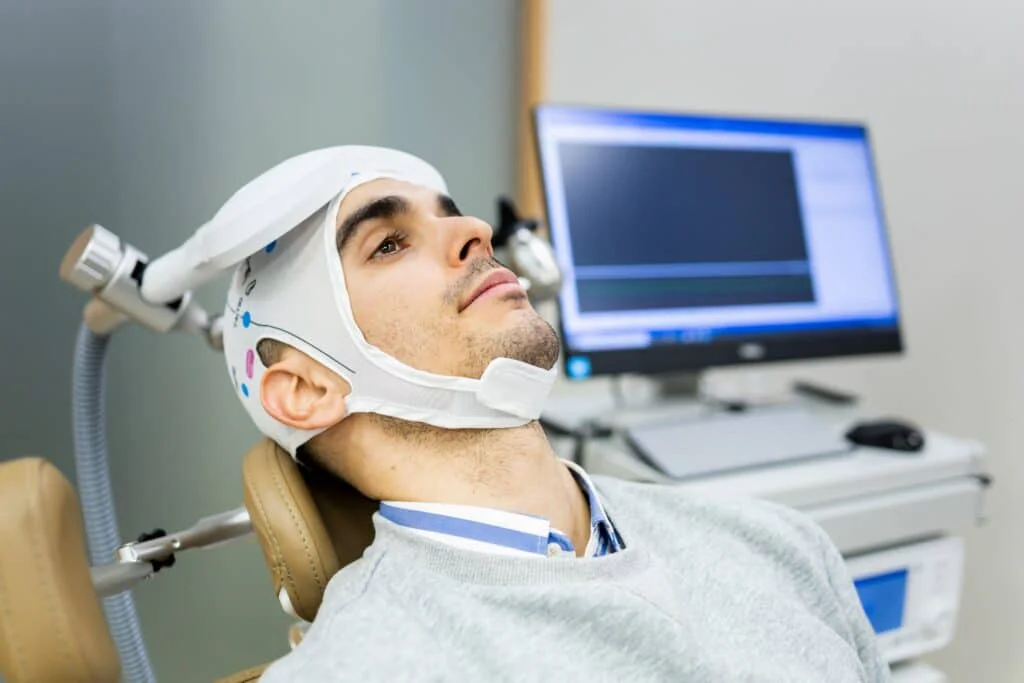
TMS therapy stands for transcranial magnetic stimulation. It is a non-invasive treatment that does not involve medication. Instead of working through the bloodstream, TMS targets specific areas of the brain directly.
During treatment:
-
A small device rests on your head
-
It sends gentle magnetic pulses
-
These pulses stimulate parts of the brain linked to mood
TMS focuses on the prefrontal cortex, an area that often shows low activity in people with depression.
How TMS Therapy Helps
TMS therapy helps the brain become more active in areas that control mood. It also supports the release of important brain chemicals like serotonin, dopamine, and norepinephrine.
Many people choose TMS when:
-
Medication has not worked
-
Side effects feel difficult to manage
-
They want a non-medication option
What a Typical TMS Schedule Looks Like
-
Sessions take about 20 minutes
-
Treatments happen five days a week
-
Most plans last four to six weeks
You stay awake during treatment. You can drive yourself home and continue your day right after your session.
Medication Vs. TMS Therapy: Key Differences
Understanding the differences helps you make a more informed decision.
How They Work
-
Medication works through the bloodstream
-
TMS targets the brain directly
Side Effects
-
Medication can affect the whole body
-
TMS side effects are usually limited to mild scalp discomfort early on
Time to See Results
-
Medication can take several weeks to adjust
-
TMS often shows gradual improvement during the treatment course
Lifestyle Impact
-
Medication becomes part of your daily routine
-
TMS requires scheduled visits but no daily medication
Long Term Approach
-
Medication may be used long term
-
TMS may provide relief that lasts months or longer, with possible follow up sessions if needed
When Medication Might Be the Right Choice
Medication may work well if:
-
You are starting treatment for the first time
-
Your symptoms feel mild to moderate
-
You respond well to previous medications
-
You prefer a daily treatment approach
A psychiatrist will guide you through options and monitor how your body responds.
When TMS Therapy Might Be a Better Fit
TMS therapy may be a strong option if:
-
You have tried multiple medications without relief
-
Side effects from medication feel difficult
-
You want a non-drug treatment
-
You need a different approach after years of symptoms
TMS gives you another path when traditional treatment has not worked the way you hoped.
Can You Combine Medication and TMS Therapy?
Yes, many people use both. Some patients continue medication while receiving TMS therapy. Others transition away from medication over time under medical guidance.
Your psychiatrist will create a plan based on:
-
Your history
-
Your symptoms
-
Your goals
There is no one-size-fits-all approach.
The Importance of Personalized Care
Depression looks different for everyone. What works for one person may not work for another.
That is why working with the right psychiatrist matters. A good provider will:
-
Listen to your experience
-
Track your progress
-
Adjust your treatment plan
-
Offer options when something is not working
Whether you choose medication, TMS therapy, or both, the goal stays the same. You deserve to feel better and regain control of your life.
What Many Patients Notice Over Time
With the right treatment, people often report:
-
More stable mood
-
Better focus
-
Improved sleep
-
Increased motivation
-
A stronger sense of control
Progress may take time, but it is possible.
Final Thoughts
Depression treatment has come a long way. You no longer have to rely on one option. Medication remains a helpful tool for many people. TMS therapy offers another path, especially for those who need something different.
If you feel stuck or unsure about your current treatment, it may be time to explore your options. Talking with a qualified psychiatrist can help you understand what comes next.
FAQs
How do I know if medication is not working for my depression?
If you have tried one or more medications and still feel little to no improvement, it may be time to talk with your psychiatrist about other options like TMS therapy.
Is TMS therapy safe?
TMS therapy is non-invasive and does not involve medication. Most people tolerate it well, with mild scalp discomfort early in treatment.
Can I stop taking medication if I start TMS therapy?
Some patients reduce or stop medication under medical supervision. Always follow your psychiatrist’s guidance before making changes.
How long does it take to feel better with TMS therapy?
Many people begin to notice changes during the treatment period, which usually lasts four to six weeks.
Can I go back to normal activities after a TMS session?
Yes, you can return to work, drive, and continue your day immediately after each session.
If you are exploring treatment options for depression, Prime Behavioral Health is here to help. Our team provides personalized care, including medication management and TMS therapy, to support your long-term mental health. Call 817-778-8884 today to schedule your consultation and take the next step toward feeling like yourself again.