
Brain Stimulation Therapy for Depression: TMS vs ECT and What Sets Them Apart
You’ve tried antidepressants. Maybe more than one. Maybe several, each with its own round of side effects and waiting to see if this one will be different. If that sounds familiar, you are in a situation that millions of people face: medication-resistant depression that keeps pushing back regardless of how diligently you follow treatment. Brain stimulation therapy, a category of treatments that uses energy to directly target brain activity, exists specifically for this point in the journey. The two most established options are Transcranial Magnetic Stimulation (TMS) and Electroconvulsive Therapy (ECT), and understanding what separates them could help you and your psychiatrist find the right next step.
At Prime Behavioral Health in Southlake, TX, board-certified psychiatrist Dr. Vishal Shah, MD, and a team of four licensed psychiatric nurse practitioners have provided advanced psychiatric care, including FDA-approved NeuroStar TMS therapy, to patients throughout the Dallas-Fort Worth region for over five years. We accept Aetna, BlueCross BlueShield PPO, Optum, United Healthcare, and Cigna. Read verified patient reviews on Google or call 817-778-8884 to learn whether brain stimulation therapy is appropriate for your situation.
What Is Brain Stimulation Therapy?
Brain stimulation therapy is an umbrella term for treatments that use electrical or magnetic energy to directly modify neural activity in specific brain regions. Unlike antidepressants, which work systemically through the bloodstream and affect neurotransmitter levels throughout the body, brain stimulation therapies target specific circuits in the brain responsible for mood regulation.
According to the National Institute of Mental Health (NIMH), brain stimulation therapies are primarily used for treatment-resistant depression, which occurs when a person does not experience adequate relief after trying at least two antidepressant medications at appropriate doses. In the United States, treatment-resistant depression affects an estimated 30% of people diagnosed with major depressive disorder.
The four main types of brain stimulation therapy currently in clinical use are TMS, ECT, Vagus Nerve Stimulation (VNS), and Deep Brain Stimulation (DBS). TMS and ECT are the most widely available and most commonly recommended for depression. VNS and DBS are used for more specific or severe cases after other treatments have failed.
The Four Main Types of Brain Stimulation Therapy
Transcranial Magnetic Stimulation (TMS)
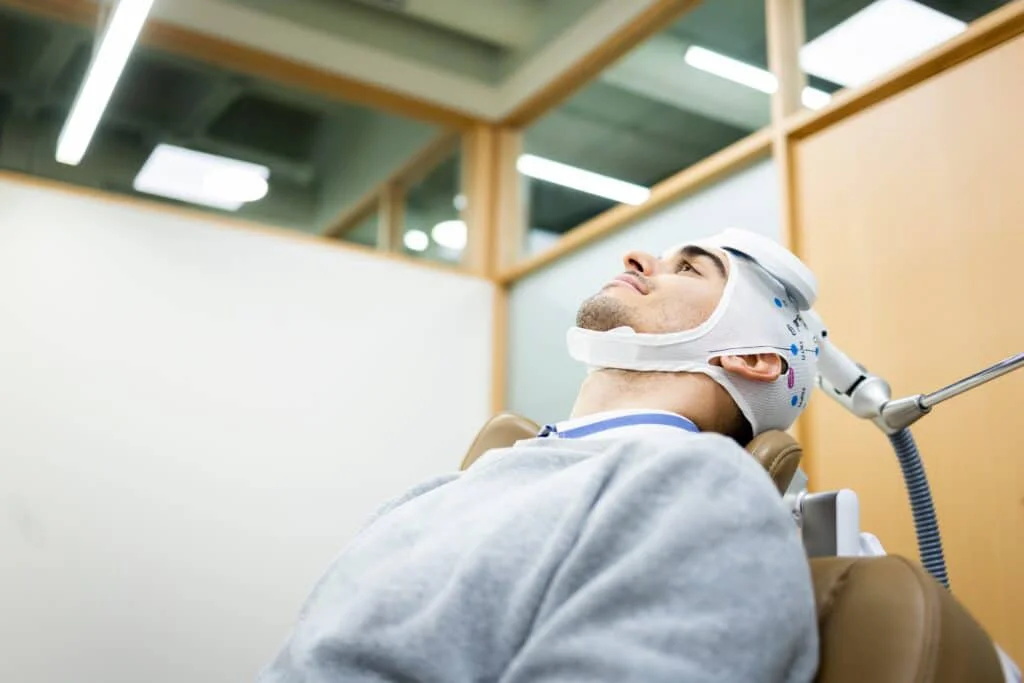
TMS uses a small electromagnetic coil placed against the scalp to deliver focused magnetic pulses to the prefrontal cortex, the brain region responsible for mood regulation. These pulses stimulate nerve cells and help restore healthier brain activity in areas associated with depression. TMS is non-invasive, requires no anesthesia, and is performed entirely in an outpatient setting. Patients remain fully awake throughout each session and can drive home immediately after.
NeuroStar TMS is the most clinically studied TMS system and has received FDA clearance for major depressive disorder and, more recently, as an adjunct treatment for OCD. It is the first TMS therapy approved for patients ages 15 and older. Learn more about how TMS therapy works.
Electroconvulsive Therapy (ECT)
ECT delivers controlled electrical currents to the brain while the patient is under general anesthesia, intentionally inducing a brief, controlled seizure. This process alters brain chemistry in ways that can rapidly relieve severe depression. ECT is highly effective, particularly for acute or severe cases that have not responded to any other treatment. However, it requires hospital or clinical administration, general anesthesia, a recovery period after each session, and carries a risk of short-term memory disruption.
Vagus Nerve Stimulation (VNS)
VNS delivers electrical impulses to the brain through the vagus nerve via a device surgically implanted under the skin. It is FDA-approved for chronic or recurrent treatment-resistant depression and is typically used only after TMS, ECT, and multiple medications have not produced adequate results. The implant procedure and long-term nature of the therapy make VNS a less common first-line brain stimulation option.
Deep Brain Stimulation (DBS)
DBS involves surgically implanting electrodes in specific brain regions to deliver continuous electrical stimulation. It is used primarily for neurological conditions like Parkinson’s disease and is considered an experimental therapy for depression. DBS is generally reserved for only the most severe, treatment-resistant cases when all other options have been exhausted.
TMS vs ECT: A Side-by-Side Comparison
For most patients evaluating brain stimulation therapy for depression, the practical comparison that matters is TMS versus ECT. Here is how they compare across the dimensions that affect your daily life and treatment experience:
| Feature | TMS Therapy | ECT |
|---|---|---|
| Procedure type | Non-invasive, outpatient | Requires anesthesia, clinical/hospital |
| Anesthesia required | No | Yes, general anesthesia |
| Seizure induction | No | Yes, controlled seizure |
| Session location | Psychiatrist’s office | Hospital or clinical facility |
| Drive after session | Yes, immediately | No, requires transportation |
| Return to work same day | Yes | No, recovery time needed |
| Memory side effects | None documented | Temporary memory loss possible |
| FDA-cleared for | MDD, OCD (adjunct) | Severe depression, bipolar, schizophrenia |
| Age clearance | Ages 15 and older (NeuroStar) | No specific age lower limit in guidelines |
| Treatment duration | 4-6 weeks, 5x per week | Typically 3x per week for 3-4 weeks |
| Insurance coverage | Most major plans after med trials | Covered for severe cases, varies by plan |
| Best for | Moderate to severe treatment-resistant depression | Severe, acute, or psychotic depression |
Who Benefits Most from Each Type of Brain Stimulation Therapy
When TMS Is the Better Choice
TMS is the right starting point for most patients considering brain stimulation therapy for depression. Specifically, TMS tends to produce the best outcomes for patients who:
-
Have tried one or more antidepressant medications without adequate relief
-
Cannot tolerate antidepressant side effects such as weight gain, fatigue, or sexual dysfunction
-
Have moderate to severe depression that disrupts daily functioning but does not involve active psychotic symptoms
-
Need to continue working, driving, or parenting during the treatment course
-
Are ages 15 and older and meet the clinical criteria for NeuroStar TMS
The outpatient format, absence of anesthesia, and immediate return to daily activities make TMS the practical choice for the vast majority of people exploring brain stimulation therapy for the first time. The effectiveness of NeuroStar TMS has been documented in multiple clinical studies, with approximately 50% of patients with treatment-resistant depression experiencing significant improvement.
When ECT Becomes Necessary
ECT is generally considered when depression is so severe, acute, or treatment-resistant that a faster or more intensive intervention is warranted. ECT tends to be indicated when:
-
Depression includes psychotic features such as delusions or hallucinations
-
There is an immediate safety risk requiring rapid symptom relief
-
Multiple prior treatments including TMS have not produced adequate improvement
-
Severe malnutrition or inability to function due to catatonic depression requires urgent intervention
ECT’s higher risk of side effects, anesthesia requirement, and hospital-based administration make it a second-line option for most patients. It remains, however, one of the most rapidly effective treatments available for acute, severe depression in the right clinical context.
Why NeuroStar TMS Has Become the Leading Brain Stimulation Option for Depression
Not all TMS devices are the same. NeuroStar Advanced Therapy is the most clinically studied TMS system in the world, with more than 4 million treatments administered. Its FDA clearance history, built-in precision technology, and suitability for patients ages 15 and older set it apart from older or less-researched TMS systems.
Two specific technical advantages matter for treatment outcomes. NeuroStar’s patented Contact Sensing technology monitors coil placement in real time throughout every session, alerting providers immediately if contact is lost. Research shows that even minor coil displacement from coughing or shifting position can reduce delivered dose by up to 47%. Consistent, precise delivery is directly linked to more reliable outcomes. NeuroStar’s cloud-supported software also allows treatment parameters to be updated efficiently without hardware changes.
For patients in the DFW area who are ready to explore brain stimulation therapy for depression, NeuroStar TMS therapy at Prime Behavioral Health offers an FDA-cleared, precision-guided treatment in an outpatient setting.
For patients also dealing with OCD alongside depression, it is worth noting that NeuroStar is also FDA-cleared for OCD as an adjunct treatment. Learn more about TMS therapy for OCD and how the protocol differs from depression treatment.
Is Brain Stimulation Therapy Safe? What the Evidence Shows
Safety is the first question most patients ask. For TMS, the evidence is clear. According to NeuroStar clinical safety data, the most common side effect is mild scalp discomfort during initial sessions, which typically decreases after the first week. Clinical trials involving over 10,000 treatments showed no negative effects on memory or cognitive function. Less than 5% of patients experienced side effects significant enough to discontinue treatment.
The U.S. Food and Drug Administration cleared NeuroStar TMS for major depressive disorder and OCD based on clinical evidence demonstrating its safety and effectiveness. No systemic side effects occur because TMS does not interact with the bloodstream or other body systems.
ECT is also considered safe when administered by properly trained medical professionals, but its side effect profile, particularly the risk of temporary memory disruption, is more significant than TMS. The choice between the two is a clinical decision based on symptom severity, urgency, and individual medical history.
Brain Stimulation Therapy in Southlake and the Dallas-Fort Worth Area
North Texas patients dealing with treatment-resistant depression have access to NeuroStar TMS therapy at Prime Behavioral Health’s Southlake location. The DFW Metroplex, with its fast-paced professional and family-centered culture, often presents the kind of stress and life demands that can complicate depression management and make medication-only treatment feel insufficient. Prime Behavioral Health provides a convenient outpatient TMS option, with sessions that fit into a working schedule and telemedicine follow-up care available between office visits.
Patients traveling from Grapevine, Colleyville, Keller, Trophy Club, Fort Worth, Dallas, and surrounding communities regularly receive TMS therapy at our Southlake office. For patients whose current medications are not providing the relief they need, brain stimulation therapy represents a clinically supported next step.
When Should You Talk to a Psychiatrist About Brain Stimulation Therapy?
The clearest signals that it is time to discuss brain stimulation therapy with your psychiatrist include: you have tried one or more antidepressant medications at therapeutic doses without adequate improvement; your depression is significantly interfering with work, relationships, or daily functioning; medication side effects have made it difficult or impossible to continue a treatment regimen; or your current treatment plan has plateaued with no meaningful progress in several months.
You do not need to exhaust every possible medication combination before asking about TMS. For many patients, the appropriate clinical point to consider brain stimulation therapy arrives earlier than they expect. A comprehensive psychiatric evaluation provides the clearest picture of where you are in your treatment journey and which options make sense from here. Schedule a new patient evaluation with Prime Behavioral Health to begin that conversation.
FAQs About Brain Stimulation Therapy, TMS, and ECT
What is brain stimulation therapy for depression?
Brain stimulation therapy is a category of treatments that use electrical or magnetic energy to directly influence brain activity. For depression, the most widely used types are Transcranial Magnetic Stimulation (TMS) and Electroconvulsive Therapy (ECT). Both are used when antidepressant medications have not produced adequate relief, but they work through different mechanisms and carry very different side effect profiles and treatment experiences.
How does TMS therapy differ from ECT for depression?
TMS uses focused magnetic pulses to stimulate nerve cells in the brain’s prefrontal cortex without electricity, anesthesia, or seizure induction. ECT delivers controlled electrical currents to the brain to intentionally induce a brief seizure and requires general anesthesia. TMS is outpatient, non-invasive, and allows patients to drive home after each session. ECT is typically administered in a hospital or clinical setting and requires recovery time after each session.
Is brain stimulation therapy safe for treating depression?
Both TMS and ECT have established safety records when administered by qualified medical professionals. TMS is FDA-cleared and non-invasive with the most common side effect being mild scalp discomfort that typically fades after the first few sessions. ECT is effective for severe depression but carries risks including temporary memory loss and requires general anesthesia. Your psychiatrist evaluates your medical history and symptoms to determine which approach, if any, is appropriate for your situation.
Who qualifies for TMS therapy for depression?
TMS therapy is FDA-cleared for adults with major depressive disorder who have not responded adequately to at least one antidepressant medication. NeuroStar TMS is the first TMS system approved for patients ages 15 and older, making it available to qualifying adolescents as well. Patients with certain metal implants in or near the head, including cochlear implants or deep brain stimulators, are generally not candidates for TMS.
Does TMS therapy require anesthesia or sedation?
No. TMS therapy requires no anesthesia, sedation, or any form of medication for the procedure itself. Patients sit in a comfortable chair, remain fully awake, and can drive themselves to and from each session. This is one of the key advantages over ECT, which requires general anesthesia and a recovery period after each treatment.
How long does a TMS treatment course typically last?
A standard TMS treatment course involves five sessions per week over four to six weeks, totaling approximately 20 to 36 sessions. Each session lasts between 19 and 37 minutes. Most patients begin noticing symptom improvement around weeks three to four. Clinical studies show that results typically last twelve months or more after completing treatment, with some patients benefiting from maintenance sessions.
Does insurance cover brain stimulation therapy like TMS?
Most major insurance plans, including Medicare and Tricare, cover TMS therapy for depression after at least one antidepressant medication trial has been attempted without sufficient improvement. Coverage for ECT varies by plan and diagnosis severity. Prime Behavioral Health accepts Aetna, BlueCross BlueShield PPO, Optum, United Healthcare, and Cigna, and verifies your specific benefits before treatment begins.
Is TMS therapy more effective than ECT?
TMS and ECT are not directly interchangeable, and effectiveness depends on the patient’s specific condition. ECT is often considered more rapidly effective for very severe or acute depression, including cases with psychotic features or active suicidal crisis. TMS is highly effective for moderate to severe treatment-resistant depression and is preferred when a non-invasive, outpatient approach is suitable. Your psychiatrist helps determine which option fits your clinical history and treatment goals.
Can brain stimulation therapy treat conditions other than depression?
Yes. NeuroStar TMS is FDA-cleared for major depressive disorder and, more recently, as an adjunct treatment for adults with Obsessive Compulsive Disorder. Research also supports TMS as a promising treatment for anxiety symptoms linked to depression, PTSD, and other conditions. ECT is used for severe depression, certain types of bipolar disorder, and treatment-resistant schizophrenia in specific clinical situations.
What are the side effects of TMS compared to ECT?
TMS side effects are typically mild and localized. The most common is mild to moderate scalp discomfort during initial sessions, which usually decreases within the first week. TMS does not cause memory loss, cognitive impairment, or systemic side effects. ECT side effects can include temporary confusion, short-term memory loss, headaches, and muscle aches after treatment. Memory issues with ECT may persist for weeks to months in some patients.
How effective is TMS for treatment-resistant depression?
Clinical studies show that approximately 50% of patients with treatment-resistant depression experience significant symptom improvement with NeuroStar TMS therapy, and roughly one in three patients achieves complete remission. A study funded by the National Institute of Mental Health found that patients treated with TMS were four times more likely to achieve remission compared to placebo. These results are particularly meaningful for patients who have already tried multiple antidepressants without adequate relief.
Can I continue working during TMS therapy treatment?
Yes. One of the major practical advantages of TMS therapy over ECT is that patients can continue their normal daily activities, including work, throughout the treatment course. Sessions last 19 to 37 minutes, and patients drive themselves home immediately after. Many patients in the DFW area schedule TMS sessions before or after work, or during lunch breaks, without disrupting their professional or family responsibilities.
Is TMS therapy approved for teenagers and adolescents?
Yes. NeuroStar TMS is the first and only TMS system to receive FDA clearance for patients ages 15 and older, making it a treatment option for qualifying adolescents with treatment-resistant depression. Teen patients require parental involvement and a thorough psychiatric evaluation before beginning TMS. This has opened an important non-medication treatment pathway for adolescents who have not responded adequately to antidepressants.
What is NeuroStar TMS and how does it differ from other TMS systems?
NeuroStar Advanced Therapy is a specific FDA-cleared TMS system developed by Neuronetics. It is the most clinically studied TMS system available, with more than 4 million treatments administered. NeuroStar features patented Contact Sensing technology that monitors coil placement in real time, reducing treatment variability. Its cloud-supported software allows providers to adjust protocols efficiently. These features distinguish NeuroStar from earlier or less-studied TMS devices.
How do I know if I should ask my psychiatrist about brain stimulation therapy?
Consider discussing brain stimulation therapy with your psychiatrist if you have tried one or more antidepressant medications at adequate doses without experiencing sufficient symptom relief, if medication side effects have made it difficult to continue treatment, or if your depression has persisted for several months despite active treatment. A comprehensive psychiatric evaluation determines whether TMS, ECT, or another approach is the most appropriate next step for your specific clinical situation.
Start Exploring Brain Stimulation Therapy Options at Prime Behavioral Health
Brain stimulation therapy has opened a meaningful treatment pathway for the millions of people whose depression has not responded adequately to medication alone. TMS and ECT are not the same treatment, and the choice between them depends on your symptoms, medical history, lifestyle, and clinical goals. For most patients, TMS offers the more accessible entry point: non-invasive, outpatient, no anesthesia, and compatible with a working daily schedule.
Key takeaways from this guide:
-
Brain stimulation therapy uses energy to directly influence brain activity and is primarily used for treatment-resistant depression
-
TMS is non-invasive and outpatient; ECT requires anesthesia and a clinical or hospital setting
-
NeuroStar TMS is FDA-cleared for ages 15 and older, making it available to qualifying adolescents as well as adults
-
TMS carries no memory-related side effects and no systemic drug effects
If you are in Southlake, Grapevine, Keller, Fort Worth, or the surrounding Dallas-Fort Worth area and you have been living with depression that medication alone has not resolved, Prime Behavioral Health is here to help. Our board-certified psychiatrist Dr. Vishal Shah, MD, and licensed psychiatric team have extensive experience evaluating patients for brain stimulation therapy and administering FDA-approved NeuroStar TMS therapy. We accept Aetna, BlueCross BlueShield PPO, Optum, United Healthcare, and Cigna, and we verify your specific coverage before treatment begins. Read what our patients say on Google reviews, then schedule your new patient evaluation online or call Prime Behavioral Health at 817-778-8884. You have options beyond medication, and our team is ready to help you evaluate them.