
Non-Medication Treatments for Anxiety and Depression: What Actually Works
You have been told that you need to treat both your anxiety and your depression. Maybe you have tried medications that helped one condition while worsening the other. Maybe the side effects have made treatment feel like its own problem. Maybe you simply prefer to understand what can be accomplished without daily medication before committing to a long-term prescription. The good news is that multiple evidence-based non-medication treatments address both anxiety and depression simultaneously, and they have clinical research behind them, not just wellness advice.
The important distinction is that non-medication treatment does not mean no professional guidance. It means psychiatrist-supervised treatment that does not rely on pharmacological intervention as its primary tool. At Prime Behavioral Health in Southlake, TX, board-certified psychiatrist Dr. Vishal Shah, MD, and our team of four licensed psychiatric mental health nurse practitioners have helped patients throughout the Dallas-Fort Worth region manage co-occurring anxiety and depression through both medication and non-medication approaches for over five years. We accept most major insurance plans including Aetna, BlueCross BlueShield PPO, Optum, United Healthcare, and Cigna. Read verified patient reviews on Google. Telemedicine appointments are available. Call 817-778-8884 to schedule.
This guide covers why treating anxiety and depression together without medication is more complex than treating either condition alone, which specific approaches have the strongest evidence, and how a psychiatrist coordinates them into a plan that actually works.
Why Anxiety and Depression Often Occur Together
Co-occurring anxiety and depression, sometimes called anxious depression or mixed anxiety-depressive disorder, affects approximately 50 to 60% of people with either condition. According to the National Institute of Mental Health (NIMH), comorbid anxiety is the single most common additional condition in people with major depressive disorder. The neurological overlap between the two conditions, both involve dysregulation in the prefrontal cortex, the amygdala, and the serotonin and norepinephrine systems, is part of why they co-occur so frequently.
The clinical challenge is that treating anxiety and treating depression are not the same process, and some standard approaches for one condition can complicate the other. Many SSRIs that treat depression can temporarily worsen anxiety in the first two to four weeks through what is called “activation syndrome.” Many behavioral interventions for anxiety disorders require tolerating short-term discomfort that can feel impossible when depression reduces energy and motivation. Effective non-medication treatment for both conditions together requires a coordinated approach, not simply adding one treatment plan to another.
7 Evidence-Based Non-Medication Treatments That Address Both Conditions
1. TMS Therapy: A Non-Medication Intervention With Clinical Backing
TMS therapy deserves specific mention because it is often overlooked as a non-medication option. NeuroStar TMS therapy is an FDA-cleared treatment for major depressive disorder that also carries FDA clearance for anxiety symptoms associated with depression. It works by delivering focused magnetic pulses to the prefrontal cortex, the brain region that regulates both mood and the threat-detection pathways that drive anxiety. Crucially, it does this without any medication entering the bloodstream, meaning it produces none of the systemic side effects, such as weight gain, sexual dysfunction, or the initial anxiety activation that SSRI medications can cause.
For patients with co-occurring anxiety and treatment-resistant depression who have not responded adequately to multiple medications, TMS provides a non-pharmacological intervention that has documented clinical evidence for both conditions. Learn more about how TMS therapy works and what the research shows.
2. Cognitive Behavioral Therapy (CBT): The Broadest Evidence Base
CBT has the strongest and most consistent research support for treating anxiety and depression together of any non-medication intervention. For depression, CBT addresses negative automatic thoughts, behavioral avoidance, and the gradual withdrawal from rewarding activities. For anxiety, CBT addresses catastrophizing, avoidance of feared situations, and hypervigilance. Because both conditions share common maintaining factors, a unified CBT protocol can address them simultaneously through a single therapeutic process.
Unified Protocol CBT, developed specifically to address multiple anxiety and mood disorders within one treatment framework, has been validated in multiple randomized controlled trials and is considered the gold standard for non-medication treatment of co-occurring anxiety and depression. A psychiatrist coordinates CBT referrals alongside other interventions so the therapy is appropriately timed and the therapist is briefed on the patient’s full clinical picture.
3. Aerobic Exercise: A Neurological Intervention
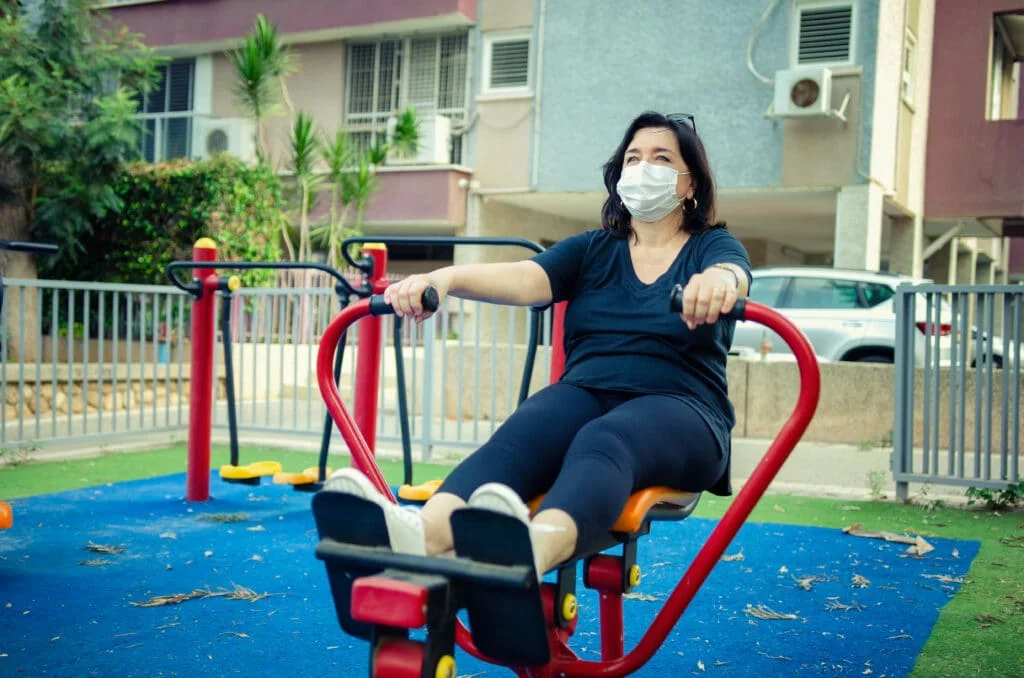
Exercise is not a lifestyle recommendation. For anxiety and depression together, it is a neurological intervention with specific mechanisms for both conditions. Aerobic exercise increases brain-derived neurotrophic factor (BDNF), a protein that supports the growth of new neurons in the hippocampus, a region consistently reduced in volume in both depression and anxiety disorders. It reduces cortisol, the primary stress hormone elevated in anxiety. It increases serotonin and dopamine availability, improving mood and motivation. It reduces the muscle tension and physical hyperarousal that are core features of anxiety.
Research cited by the American Psychological Association shows that regular aerobic exercise reduces generalized anxiety symptoms by 30 to 40% and produces antidepressant effects comparable to low-dose medication for mild to moderate depression. The minimum effective dose is approximately 150 minutes per week of moderate intensity activity. For patients in the Southlake and DFW area, the August heat (104 to 107 degrees Fahrenheit) means indoor options, including treadmill walking, swimming, or cycling, are the practical exercise approaches during peak summer months.
See our guide on how exercise affects mental health for a detailed breakdown of the mechanisms.
4. Sleep Optimization
Sleep is foundational to every other non-medication treatment for anxiety and depression. Sleep deprivation raises inflammatory markers and cortisol that actively maintain both conditions. It impairs prefrontal cortex function required for the cognitive restructuring that CBT depends on. Research shows that patients with residual insomnia during depression treatment are significantly less likely to achieve full remission.
Non-medication sleep optimization strategies that are most relevant for anxiety and depression include a consistent wake time seven days a week to anchor circadian rhythm, elimination of screens 60 minutes before bed, brief morning exercise, cool bedroom temperature, and cognitive techniques to manage the bedtime worry common in anxiety. When depression-related insomnia is present alongside anxiety, a psychiatrist coordinates targeted sleep interventions as part of the broader non-medication treatment plan.
5. Mindfulness-Based Cognitive Therapy (MBCT)
Mindfulness-Based Cognitive Therapy is a structured program specifically developed to prevent depression relapse and reduce anxiety, combining mindfulness meditation with cognitive therapy techniques. A 2015 meta-analysis in JAMA Internal Medicine found that mindfulness meditation produced moderate improvement in anxiety, depression, and pain across 47 randomized controlled trials. MBCT is particularly effective for patients who have experienced multiple depressive episodes, as it teaches recognition of early warning patterns and non-reactive awareness of anxious thoughts.
MBCT requires eight weeks of structured group or individual sessions plus consistent daily practice. Its effects build gradually over time and are maintained well after the formal program ends. For patients with both anxiety and depression, the non-judgmental awareness skills developed in MBCT reduce both the rumination that drives depression and the anticipatory worry that drives anxiety.
6. Dietary and Nutritional Support
Specific dietary patterns have research-supported associations with lower rates of anxiety and depression. The Mediterranean dietary pattern, rich in vegetables, legumes, fish, and olive oil, is associated with 25 to 35% lower rates of depression in prospective cohort studies. Omega-3 fatty acid supplementation, particularly EPA, has randomized controlled trial evidence for modest antidepressant and anti-anxiety effects at doses of 1 to 2 grams of EPA daily.
Stable blood sugar through regular balanced meals reduces the energy crashes and irritability that amplify both anxiety and depressive symptoms. Gut health, through adequate fiber and fermented foods, influences serotonin production in ways that affect mood. Caffeine reduction is specifically relevant for anxiety, as caffeine elevates cortisol and can trigger or worsen panic symptoms. A psychiatrist can advise on dietary approaches as part of a comprehensive non-medication plan, while ensuring that nutritional changes complement rather than replace other treatments.
7. Behavioral Activation and Structured Routine
Behavioral activation, one of the most specifically effective components of CBT for depression, involves systematically re-engaging with activities that provide meaning, pleasure, and accomplishment, even before motivation returns. Depression suppresses the brain’s reward system, reducing the drive to pursue activities that would normally generate positive emotion. Behavioral activation addresses this by creating small, achievable engagement with rewarding activities that gradually restore reward system sensitivity.
For anxiety, structured daily routines provide the predictability that the anxious nervous system needs to reduce hypervigilance. A clear, consistent daily schedule removes the ambiguity that anxiety treats as threat. The combination of behavioral activation for depression and structured routine for anxiety addresses both conditions through overlapping but complementary mechanisms. A psychiatrist helps patients design behavioral plans that are realistic given the current severity of their symptoms.
The Complexity of Treating Both Conditions Together Without Medication
It is important to understand why treating anxiety and depression together without medication is clinically more complex than treating either condition alone. The strategies that most effectively address depression, including behavioral activation and increasing engagement with activities, temporarily increase arousal and effort. Anxiety tells the person those activities are threatening or exhausting. The strategies that most effectively address anxiety, including graded exposure to feared situations, temporarily increase anxiety symptoms. Depression tells the person the discomfort is pointless.
These competing demands require thoughtful sequencing and professional oversight. A psychiatrist determines which condition is currently the higher priority clinical target, sequences interventions so that treatment for one does not inadvertently worsen the other, and monitors the interaction between approaches over time. Without this coordination, patients often feel that they are working against themselves despite genuine effort.
When Medication Remains Part of the Plan
A commitment to non-medication treatment does not mean rejecting all pharmacological support, particularly for moderate to severe co-occurring anxiety and depression. Some patients benefit most from a period of medication-assisted stabilization that reduces symptoms enough to make non-medication strategies accessible and effective, followed by a gradual and supervised taper as non-medication approaches take hold. This is not treatment failure. It is pragmatic clinical judgment.
For patients who genuinely want to reduce or eliminate medication, the most effective path is often starting non-medication strategies while still medicated, establishing those strategies firmly, and then working with a psychiatrist on a supervised medication reduction plan once stability is achieved. A psychiatrist guides this process based on clinical data about the patient’s symptom trajectory, not on general principles about medication.
Local Context: Non-Medication Treatment in Southlake and the DFW Region in August
August in Southlake and the broader DFW Metroplex creates specific contextual pressures on anxiety and depression that make non-medication treatment particularly relevant right now. School returns in mid-August, bringing academic pressure, schedule demands, and social adjustment for teens, parents, and families. The extreme summer heat limits the outdoor activities and social engagement that buffer both anxiety and depression.
For parents in Grapevine, Colleyville, Keller, and Southlake managing a teenager with co-occurring anxiety and depression, August is the window when symptoms are most likely to intensify before school-year structure kicks in. For adults whose anxiety and depression are linked to work demands, the post-summer return to full business activity can be a high-risk period. Non-medication treatment strategies established now, before the school year’s full demands arrive, provide a buffer for both teens and adults.
The Substance Abuse and Mental Health Services Administration (SAMHSA) documents that evidence-based psychosocial interventions, including the non-medication approaches described in this guide, produce clinically meaningful outcomes for anxiety and depression when properly implemented. Prime Behavioral Health offers in-office and telemedicine psychiatric appointments for patients throughout the DFW area who want professional guidance in building a non-medication treatment plan for anxiety and depression.
When to Schedule a Psychiatric Evaluation for Non-Medication Treatment
A psychiatric evaluation is the right starting point even if your goal is non-medication treatment. The evaluation determines the severity of your anxiety and depression, identifies any maintaining factors that need specific targeting, and helps design a coordinated treatment plan with appropriate monitoring. Waiting until symptoms become severe before seeking professional guidance significantly limits the effectiveness of non-medication approaches.
Non-medication treatment is most effective when it is:
- Started at a clinically appropriate time based on symptom severity
- Sequenced thoughtfully so treatments reinforce rather than compete with each other
- Monitored regularly with professional oversight to identify insufficient response early
- Supported by a psychiatrist who understands the interaction between anxiety and depression treatment
If you have been managing anxiety and depression without clear improvement, or if you want to explore non-medication options with proper clinical support, schedule a new patient evaluation with Prime Behavioral Health to begin.
Frequently Asked Questions About Non-Medication Treatments for Anxiety and Depression
Can anxiety and depression really be treated without medication?
Yes, though the degree to which non-medication approaches alone are sufficient depends on symptom severity. Multiple evidence-based treatments, including Cognitive Behavioral Therapy, regular aerobic exercise, TMS therapy, and structured lifestyle interventions, have demonstrated significant clinical benefit for both anxiety and depression in research studies. For mild to moderate presentations, non-medication approaches may produce adequate symptom relief. For moderate to severe anxiety and depression, non-medication strategies are most effective when used in combination with carefully managed medication or alongside TMS therapy, which itself is a non-medication intervention. A psychiatric evaluation determines which combination fits each patient’s clinical picture.
What is the most effective non-medication treatment for anxiety and depression together?
Cognitive Behavioral Therapy (CBT) has the strongest evidence base for treating anxiety and depression together, because the two conditions share overlapping cognitive and behavioral patterns that CBT directly addresses. Techniques including cognitive restructuring, behavioral activation, and exposure-based approaches work across both conditions simultaneously. CBT combined with regular aerobic exercise and sleep optimization produces the most consistent results for patients with mild to moderate co-occurring anxiety and depression. For patients with treatment-resistant anxiety and depression, TMS therapy provides a clinically validated non-medication option that addresses the neurological basis of both mood and anxiety regulation.
Is TMS therapy effective for both anxiety and depression at the same time?
Yes. NeuroStar TMS therapy has FDA clearance not only for major depressive disorder but also as an adjunct treatment for anxiety symptoms associated with depression. The prefrontal cortex that TMS directly targets is involved in regulating both mood and the threat-detection pathways that drive anxiety. Clinical studies show that patients receiving TMS for depression frequently experience concurrent reduction in anxiety symptoms. For patients who have co-occurring anxiety and treatment-resistant depression and have not responded adequately to multiple medications, TMS provides a non-medication intervention that can benefit both conditions through the same neurological mechanism.
How does regular exercise help reduce both anxiety and depression?
Exercise influences both anxiety and depression through neurological mechanisms that are distinct from willpower or motivation. Aerobic exercise increases brain-derived neurotrophic factor (BDNF), which supports neuroplasticity and is reduced in both anxiety and depression. It reduces cortisol, the primary stress hormone elevated in anxiety. It increases endorphin and serotonin availability, improving mood. And it reduces the physical tension and hyperarousal that are core features of anxiety disorders. Research published in JAMA Psychiatry found that 150 minutes per week of moderate aerobic activity produced antidepressant effects comparable to low-dose medication for mild to moderate depression. For anxiety, studies show regular exercise reduces generalized anxiety symptoms by approximately 30 to 40%.
What is CBT and how does it work for anxiety and depression at the same time?
Cognitive Behavioral Therapy is a structured, evidence-based therapy that identifies and changes the thought patterns and behavioral responses that maintain both anxiety and depression. For depression, CBT targets negative automatic thoughts, behavioral avoidance, and the loss of rewarding activity. For anxiety, CBT targets catastrophizing, avoidance of feared situations, and hypervigilance to threat. Because depression and anxiety share common maintaining factors, including avoidance, negative self-appraisal, and hyperactivation of the threat-detection system, CBT addresses both conditions through overlapping techniques. Behavioral activation (for depression) and graded exposure (for anxiety) are particularly effective when delivered together as part of a unified protocol.
Can dietary changes reduce anxiety and depression symptoms without medication?
Nutritional approaches are not standalone replacements for clinical treatment, but specific dietary patterns have consistent research support for reducing anxiety and depression symptoms. The Mediterranean dietary pattern (rich in vegetables, fish, legumes, and olive oil) is associated with 25 to 35% lower rates of depression in observational research. Omega-3 fatty acids, particularly EPA from fatty fish, have randomized controlled trial evidence for modest antidepressant and anti-anxiety effects. Gut microbiome health, influenced by fiber intake and fermented foods, affects serotonin production in ways that influence mood. Stable blood sugar through regular balanced meals reduces the energy crashes and irritability that amplify both anxiety and depressive symptoms. A psychiatrist can advise on dietary approaches as part of a comprehensive non-medication plan.
How does mindfulness help with both anxiety and depression without medication?
Mindfulness-based interventions, particularly Mindfulness-Based Cognitive Therapy (MBCT), have strong clinical evidence for both conditions. For depression, mindfulness reduces rumination by interrupting the repetitive negative thought cycles that maintain low mood. For anxiety, mindfulness reduces the experiential avoidance and future-oriented worry that drive anxious arousal. A 2015 meta-analysis in JAMA Internal Medicine found that mindfulness meditation produced moderate improvement in anxiety, depression, and pain. The limitation is that mindfulness requires consistent practice and often produces slower symptom change than medication or CBT. It is most effective as a component of a broader treatment plan rather than as a primary standalone intervention.
Why is treating anxiety and depression together without medication more complex than treating them separately?
Co-occurring anxiety and depression creates specific clinical challenges for non-medication treatment. Behavioral activation, one of the most effective non-medication strategies for depression, asks patients to engage in activities despite low motivation. Anxiety simultaneously tells those patients that activities are dangerous, effortful, or threatening, creating an opposing force. Many non-medication strategies for anxiety, such as facing feared situations, temporarily increase arousal and discomfort in ways that can worsen depression’s negative self-appraisal. The most effective non-medication approach for both conditions requires coordinated treatment planning by a psychiatrist who understands this interaction and sequences interventions appropriately.
When does a psychiatrist recommend non-medication approaches as the primary path?
Psychiatrists typically recommend non-medication approaches as the primary path when symptoms are mild to moderate and functional impairment is present but not severe, when the patient has a strong preference for non-pharmacological treatment and is willing to commit consistently to behavioral interventions, when prior medication trials have produced significant side effects without adequate benefit, when co-occurring conditions such as pregnancy or certain medical conditions make medication options limited, or when the clinical presentation suggests that behavioral and lifestyle factors are the primary maintaining causes of both conditions. Even in these cases, close psychiatric monitoring ensures that the chosen approach is producing adequate improvement and that medication is introduced if symptoms worsen.
Can non-medication treatments work if anxiety and depression are severe?
For severe anxiety and depression, non-medication treatments are typically most effective when combined with other interventions rather than used alone. TMS therapy provides a clinically significant non-medication option specifically designed for patients whose depression is severe enough to have not responded to medication, with research showing approximately 50% of treatment-resistant depression patients achieve significant improvement. For severe anxiety alongside depression, coordinated psychiatric care that may include medication for immediate stabilization alongside CBT and other non-medication approaches typically produces better outcomes than non-medication strategies alone. A comprehensive evaluation determines the most appropriate combination for each patient’s severity level.
How long do non-medication treatments for anxiety and depression take to show results?
Non-medication treatments typically require consistent implementation over longer periods than medication to produce their full benefit, though some approaches show early effects. Exercise produces measurable mood improvement within two to four weeks of consistent daily practice. CBT typically produces meaningful anxiety and depression reductions over 8 to 16 sessions (two to four months). TMS therapy produces depression improvement over a four to six week treatment course, with many patients noticing changes around weeks three to four. Mindfulness practice requires six to eight weeks of regular practice before neuroplastic changes supporting mood regulation become established. A psychiatrist sets realistic timelines and monitors progress so that approaches showing inadequate response can be adjusted before symptoms worsen.
What role does sleep play in non-medication treatment for anxiety and depression?
Sleep is foundational to the success of every other non-medication treatment for anxiety and depression. Sleep deprivation increases cortisol and inflammatory markers that directly maintain both anxiety and depression, and it impairs the prefrontal cortex function required for the cognitive restructuring that CBT depends on. Research consistently shows that patients with residual insomnia during depression treatment are significantly less likely to achieve remission. Optimizing sleep is therefore not a peripheral lifestyle recommendation in non-medication treatment. It is a clinical priority. Psychiatrists incorporate sleep assessment into treatment planning for both anxiety and depression, and may recommend specific sleep interventions as a prerequisite to maximizing the effectiveness of other non-medication approaches.
Can non-medication approaches allow patients to reduce or come off psychiatric medications?
For some patients, successful implementation of non-medication approaches produces sufficient improvement to allow a medically supervised reduction of psychiatric medications over time. This happens most consistently when the non-medication strategies are fully established and producing stable benefit before medication tapering begins, when a psychiatrist closely monitors the process, and when the patient has a clear plan for responding to any symptom return. Non-medication approaches should never be used as a reason to abruptly stop medication without psychiatric supervision. The goal of a well-designed treatment plan is not necessarily medication elimination but achieving the best possible functional outcome with the minimum necessary intervention.
How does a psychiatrist structure non-medication treatment for co-occurring anxiety and depression?
A psychiatrist begins with a comprehensive evaluation to determine the severity of both conditions, the presence of any maintaining factors (such as chronic stress, relationship patterns, or sleep disorders), and which non-medication approaches are most appropriate. They then establish a sequenced treatment plan that typically addresses sleep first, introduces exercise and behavioral activation concurrently, refers for CBT with a therapist who specializes in unified protocols for anxiety and depression, and monitors progress at regular follow-up appointments. Prime Behavioral Health provides this type of coordinated psychiatric planning for patients throughout the Dallas-Fort Worth area, with telemedicine options for ongoing monitoring and support.
Can telemedicine psychiatric appointments support non-medication treatment programs for anxiety and depression?
Yes. Telemedicine appointments are well-suited to ongoing monitoring of non-medication treatment progress, medication review if any medications are part of the plan, CBT progress check-ins, and adjustment of behavioral recommendations based on what is working. Prime Behavioral Health offers telemedicine psychiatric appointments for eligible patients throughout the DFW area who are managing anxiety and depression with or without medication. Regular virtual check-ins with a psychiatrist significantly improve adherence to non-medication treatment plans by providing accountability, allowing early identification of strategies that are not producing adequate response, and enabling timely plan adjustments without requiring in-person travel for every appointment.
Start Non-Medication Treatment for Anxiety and Depression at Prime Behavioral Health
Non-medication treatment for anxiety and depression is not a lesser option. For many patients, it is the most appropriate first-line approach, and for others, it is the most effective complement to medication that finally produces the full recovery that pharmacological treatment alone did not achieve.
Key takeaways from this guide:
- TMS therapy provides a clinically validated non-medication intervention specifically for patients with anxiety and treatment-resistant depression
- CBT, aerobic exercise, sleep optimization, and mindfulness all have research-supported mechanisms for both anxiety and depression simultaneously
- Treating both conditions together without medication is clinically complex and produces best results with professional coordination
- A psychiatric evaluation is the appropriate starting point even if your goal is a medication-free approach
Prime Behavioral Health provides comprehensive psychiatric care for co-occurring anxiety and depression throughout Southlake, Grapevine, Colleyville, Keller, Trophy Club, Fort Worth, and the greater DFW region. Our board-certified psychiatrist Dr. Vishal Shah, MD, and licensed psychiatric team have over five years of experience building individualized non-medication and combined treatment plans. We accept Aetna, BlueCross BlueShield PPO, Optum, United Healthcare, and Cigna, and offer telemedicine appointments for ongoing support. Read our patient reviews on Google, then schedule your evaluation online or call Prime Behavioral Health at 817-778-8884. Getting the right support for both anxiety and depression changes everything.